
Influencer obsession : Fit or Fake ?
From workouts to weightless drugs and cosmetic procedures.
And in a world of ‘for you’ pages
Fitness influencers have become active contributors to how we think about bodies and appearance. We follow them for motivation, routine, or interest. Yet behind the curated posts and transformation photos is a growing culture shaped by unrealistic aspirations, aggressive marketing, and misleading ideas about health.
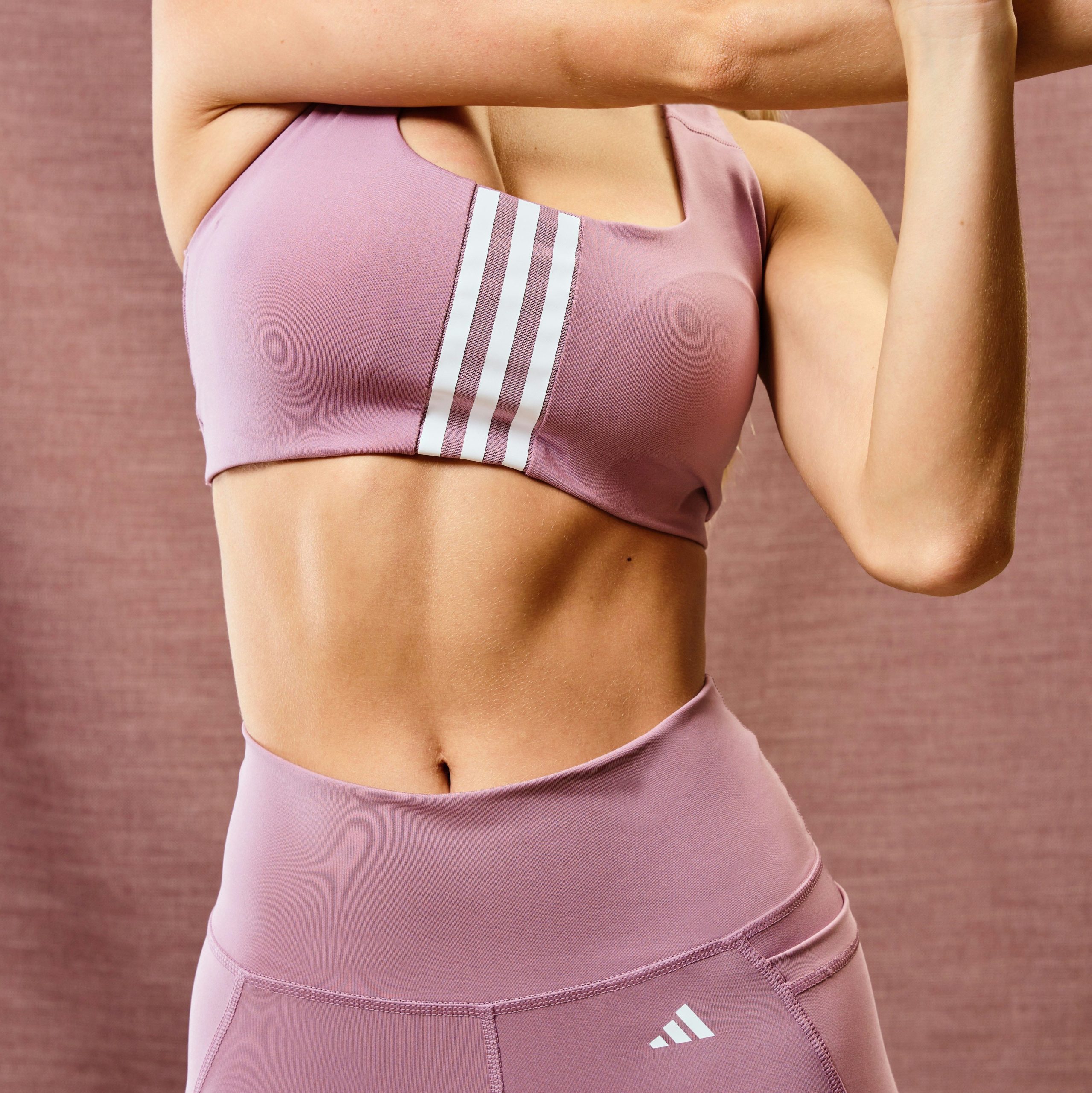
Many, become inspired drawing the appeal of these influencers. An influencer wearing a sponsored visually appealing gym set, videoing their own gym routines, can be a source of motivation.
A transformation photo can make you feel empowered and influence you to want the same.However, social media thrives on visuals, and the focus often falls on aesthetics, not authenticity.
This pressure to appear the same as what’s seen on an influencer’s feed has grown, along with the normalisation of weight-loss drugs.
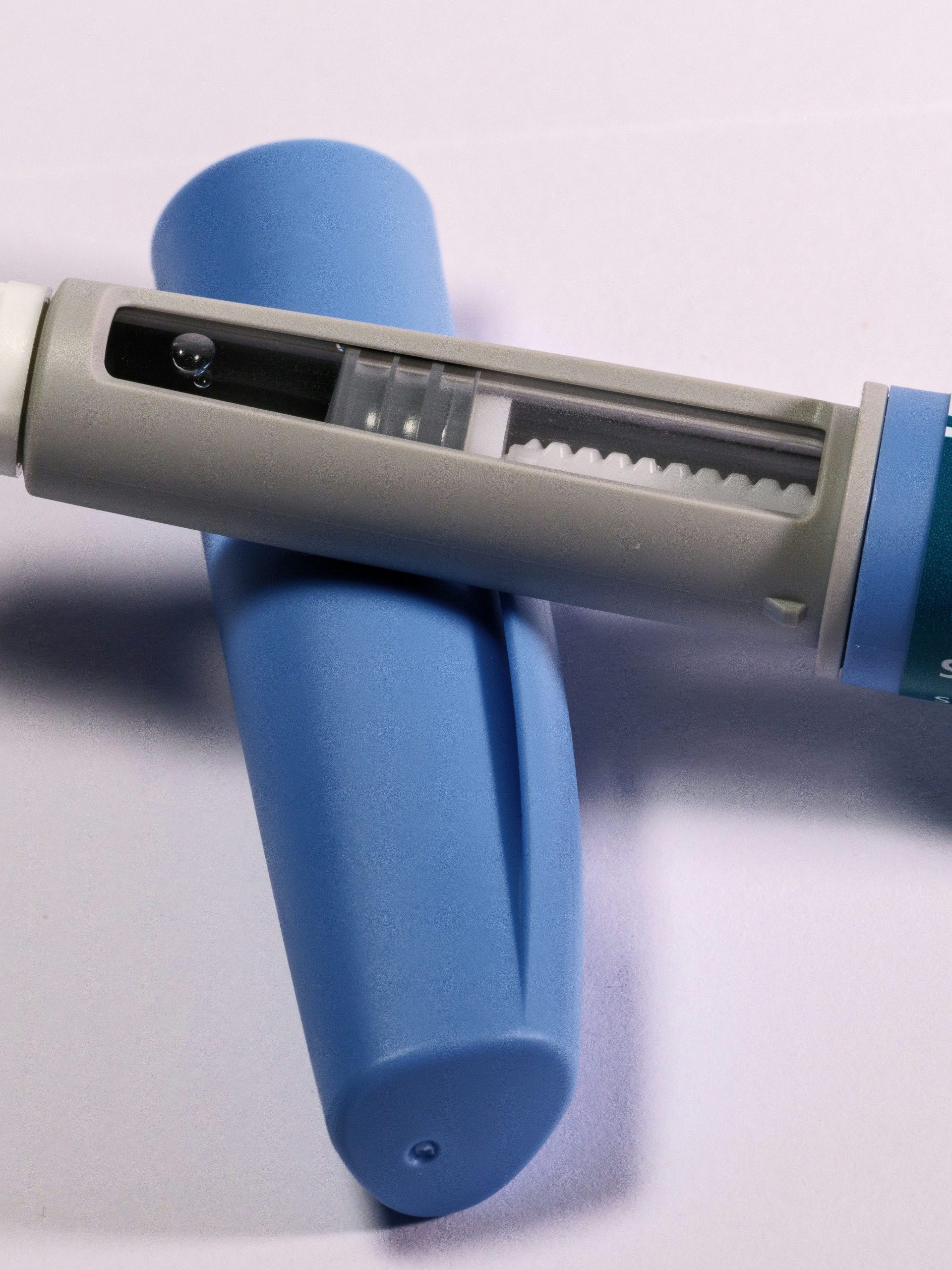
The most trending one being Ozempic, originally for type-2 diabetes patients , has been heavily shared on social media as
‘a quick weight loss solution’.
Influencers often avoid displaying their truths for sponsorships and information towards certain products, blurring the line between health advice and paid promotion. Playing a huge role in normalizing and glamorizing these medications. The consumers of this content may feel as if their own journeys don’t resonate, often resulting in pursuing the only influence available and aiding towards aesthetic pressures. Some influencers, such as Skye Sutton, have publicly disclosed in recent years how they have had surgery to create and enhance this physical appearance, blurring lines between natural fitness achievements and surgical transformation.
In 2025 an Australian fitness influencer who built a brand around glute workouts and body confidence, chose to shared the truth on her cosmetics surgery. Thi being a Brazilian Butt Lift (BBL).
Her transparency has led to discussions about authenticity within the fitness industry, and the truth between results achieved through training and those by cosmetic surgery. This has shown many that they may be consuming content that doesn’t purely reflect hard work.
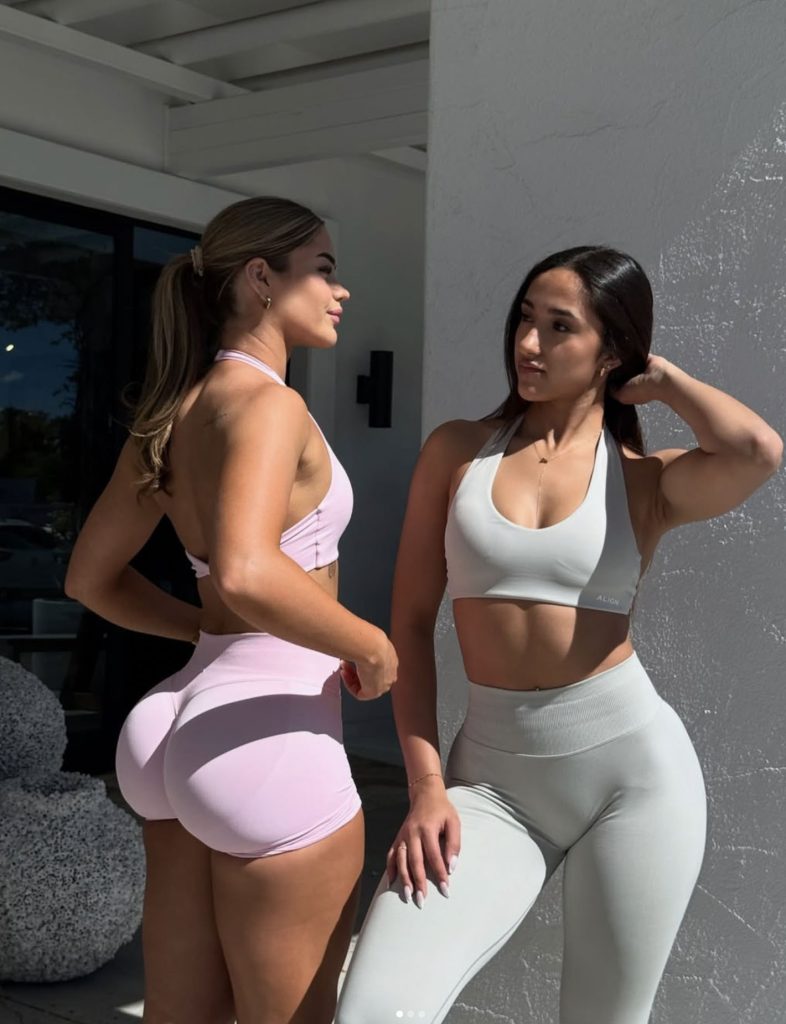
image from @skye_sutton
on instagram
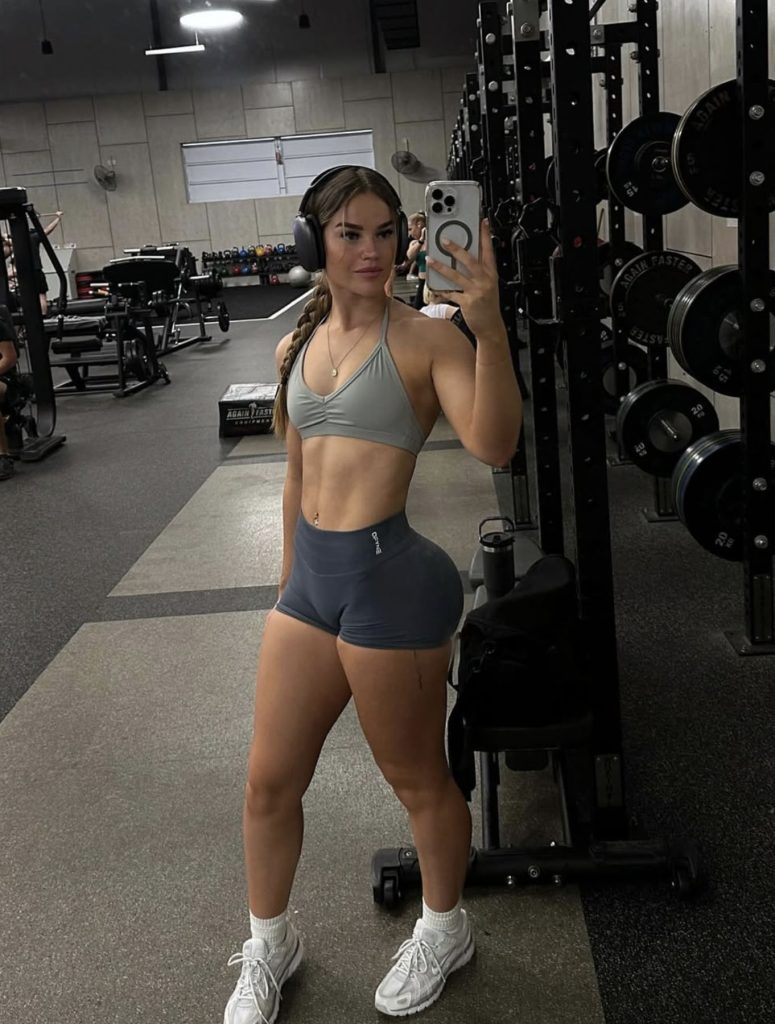
image from @skye_sutton
on instagram
The key concerns from these trends, are the messages they convey:
trending drugs or procedures such as a BBL. Having large platforms, influencers can set unrealistic standards by displaying curated outcomes, cherry-picking what they share, and glossing over the reality.
The consumers may feel as if their own journeys do not resonate, often leading to investing in products and procedures under the illusion of guaranteed success.
Many creators earn a significant amount from marketing.
When influencers are gaining profit for promoting result products, authenticity limited. Making it hard to establish if a product results are real or fake. Which is something we should become aware of when viewing this content.
written by Izzi palmer