
Why are students buying Fast Fashion?

Fast Fashion has risen immensely in past decade, but why is it popular with students?
We all know student’s may struggle when it comes to money, so many turn to fast fashion when buying clothes as it’s cheap, convenient, and fast. This often means many turn to mass fast fashion websites such as Shein and Temu. However, are they aware of how much damage this causes the environment?
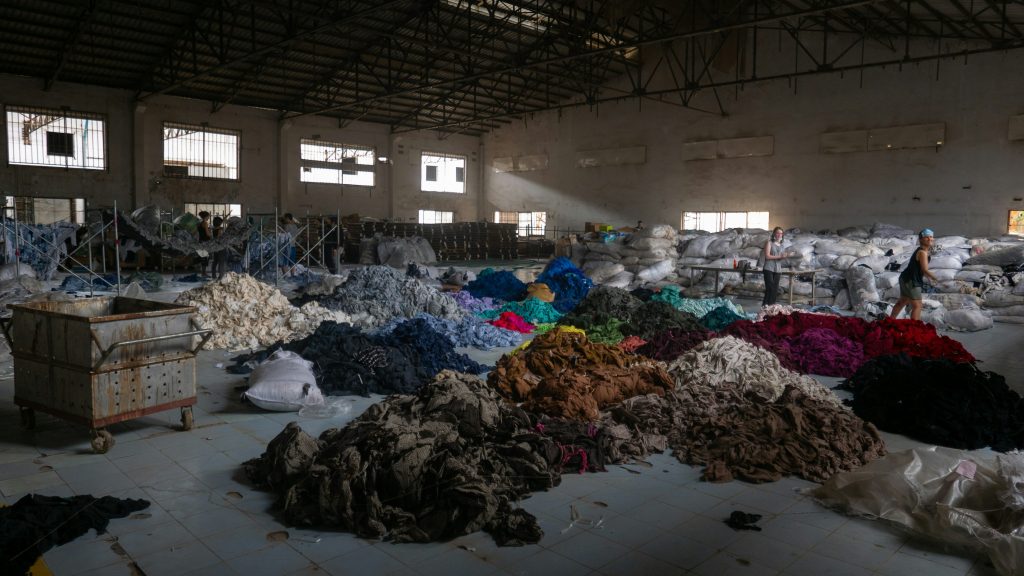
However, it’s not just Shein that causes damage to the world. Big Highstreet retailers are also apart of the problem and are some of the biggest polluters, such as H&M and Zara.
Although, just because student’s are buying from places such as these, it doesn’t mean they’re careless and don’t want to shop sustainably.
Many student’s turn to fast fashion buying as it has the quickest and most trendy pieces, often wanting to or being pressured to fit in with peers. Student’s not interested in or not studying fashion also may be unaware of just how much impact their choices are causing.
Finances can often play part in buying fashion, however there are many ways you can shop sustainably cheaply without causing damage to the environment. Second-hand shopping has become extremely popular within the past few years, especially with students. It offers a great alternative to fast fashion, and a way to reuse and re-wear old clothes without consuming newly made products and helping clothes to not go to landfill.
However, many students rule out this option as it may take them too much time to search through the items to filter out the clothing that they like. This argument can also be contradicted though as you can also buy second-hand fashion online through apps/websites such as Vinted and Depop, where you can filter specific brands and items easier than you would be able to in a thrift shop, where you have you look through by hand.
Fast Fashion is a very popular way to shop within the student community, and most shop to to convivence, lack of education, and lack of funds.
Hopefully this article helps to spread light on this issue and help students to think before buying in the future, and if they really need an item or not.
By Aimee Cazeaux