
The Dark Side of the Jackpot: Understanding Casino Addiction
The allure of casinos is undeniable. The glitz and glamour, the sound of coins clinking, and the thrill of potentially hitting the jackpot can easily captivate anyone. However, as enticing as these experiences may be, they can also lead to a darker path—casino addiction. Understanding the roots of this addiction is essential for both players and their loved ones.
What is Casino Addiction?
Casino addiction, often termed gambling disorder, is a compulsive behavior that leads individuals to continue gambling despite the negative consequences it incurs. The American Psychiatric Association classifies this behavior as a mental health disorder, highlighting its seriousness and the need for appropriate responses.
The Alluring Environment of Casinos
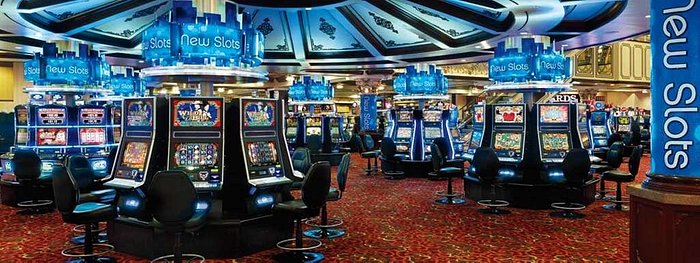
Casinos are meticulously designed to create an environment that encourages prolonged play. Bright lights, enticing sounds, and complimentary drinks all contribute to a mesmerizing experience. This ambiance can be incredibly disorienting, making it easy for players to lose track of time and money spent.
The Psychological Triggers
Players may find themselves drawn to casinos for various reasons. Some might seek an escape from daily stresses, while others might crave the adrenaline rush associated with risk-taking. The unpredictability of outcomes can also stimulate the brain’s reward system, further fueling the desire to gamble.
Signs of Gambling Addiction
Recognizing the signs of gambling addiction can be crucial for early intervention. Here are some common indicators:
- Preoccupation with gambling thoughts.
- Need to gamble with increasing amounts of money.
- Failed attempts to control or stop gambling.
- Restlessness or irritability when trying to reduce gambling.
- Gambling to escape problems or relieve feelings of helplessness.
If you or someone you know exhibits these signs, it’s important to seek professional help.
The Consequences of Casino Dependency
The effects of gambling addiction can ripple through various aspects of a person’s life. Financial strains, broken relationships, and declining mental health are just a few potential outcomes. Families can become collateral damage in a gambler’s pursuit of the next high, leading to emotional distress and instability.
Support Systems and Solutions
Fortunately, support is available for those struggling with casino addiction. Many organizations offer counseling and support groups designed specifically for gamblers and their families. Programs such as Gamblers Anonymous provide the community and understanding needed for recovery.
For more information on responsible gaming and to seek help, visit https://spin96australia.com/. This resource offers valuable insights into managing gambling behaviors and recognizing when it’s time to step back.
Strategies for Prevention
Prevention is vital in combating casino addiction. Here are a few strategies that can help individuals avoid falling into the gambling trap:
- Set strict limits on gambling time and money.
- Engage in alternative forms of entertainment that do not involve gambling.
- Educate oneself about the odds of various games and the reality of gambling outcomes.
- Be aware of emotional triggers that may lead to gambling.
Conclusion: A Call for Awareness
Casino addiction is a complex issue that requires comprehensive strategies for prevention and treatment. By fostering awareness and promoting healthy gambling habits, we can mitigate the risks associated with this thrilling yet potentially harmful pastime. It is crucial to understand that while the allure of wins can be strong, the consequences of addiction far outweigh the fleeting joy of success at the tables.